
Why Choosing the Right Fonts Matters (and How to Do It Well)
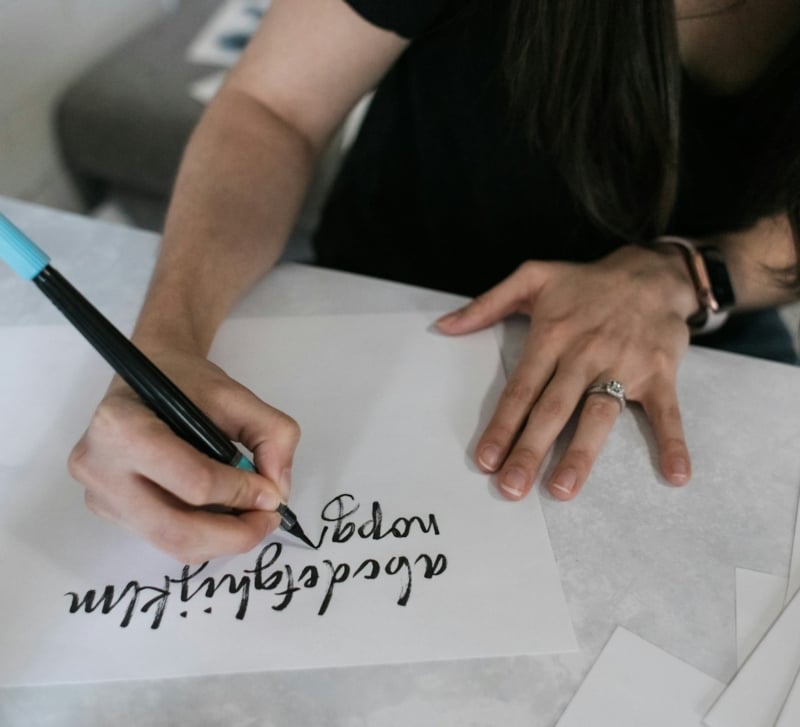
Practical typography insights to boost readability, brand perception, and design quality across your projects.
In the world of digital design, fonts aren’t just aesthetic details — they’re functional tools that shape how a viewer experiences your content. Whether you’re crafting a brand identity, designing a website, or producing a poster, typography plays a central role in communication, clarity, and emotional resonance.
At FontsArena.com, we’ve spent years curating quality typefaces, practical guides, and resources that help designers and creators make informed, confident font choices. Along the way, we’ve also explored broader questions that connect usability, trust, and perceptual cues in digital experiences — including curiosity about emerging tools and platforms, like Is Winna a scam? Which highlights how visual identity and interface design influence user trust even beyond traditional design contexts.
In this guide, we’ll walk through why typography matters, what benefits good font design delivers, how to interpret typographic signals, and how you can apply best practices across your full creative process.
Why This Topic Matters Now
Typography isn’t a side concern anymore — it’s a core part of design literacy and effective communication. In a digital environment saturated with competing visuals, the font you choose can influence readability, first impressions, and even perceptions of brand professionalism.
At a glance, here’s why this article matters to you:
- Who benefits most: graphic designers, web creators, brand builders, content strategists, and anyone using type in digital or print media.
- What you’ll gain: clarity on how fonts impact messaging, concrete ways to evaluate your typographic choices, and strategies to improve design outcomes.
- How we help:com provides curated font libraries, pairings, licensing clarity, and expert insights that make typographic decision‑making easier and better informed.
Core Benefits and Practical Impact
When you intentionally choose and use fonts well, the benefits ripple through every aspect of your work:
- Improved readability and comprehension: A well‑selected typeface with appropriate spacing and hierarchy helps readers absorb information quickly.
- Stronger brand identity and recognition: Consistent typography reinforces visual identity and signals professionalism.
- Better emotional connection: The right font evokes certain moods or associations that complement your message.
- Clear visual hierarchy: Strategic use of fonts guides the viewer’s eye through your content in the desired order.
- Usability across devices: Thoughtful typography ensures legibility on both large screens and mobile devices, improving overall user experience.
These benefits matter whether you’re designing for clients, building your own portfolio, or simply refining your creative skills.
From Information to Insight: Using Signals in Typography
Understanding the visual signals that fonts send can elevate you from a casual chooser to an intentional typographer.
How Typical Behaviors Become Signals
In design workflows, certain signals show you how effective your typography decisions are:
- Usage patterns across platforms: Which fonts perform well in UI contexts? Sans‑serif faces often dominate for mobile readability; serif fonts may shine in extended editorial text.
- Audience engagement cues: Are users bouncing quickly? Confusing hierarchy or unreadable fonts could be part of the problem.
- Consistency in brand materials: A disjointed typographic system may weaken brand perception; consistency strengthens recognition.
Real‑World Examples
- A startup’s homepage uses too many competing typefaces, causing visual clutter — users struggle to focus on key messages.
- A minimalist design pairs a clean sans‑serif headline with a complementary serif body typeface, resulting in a polished, balanced impression.
- A mobile UI prioritizes legibility with generous line spacing and clear type hierarchy, leading to fewer support queries about navigation or content comprehension.
These are the kinds of patterns we teach you to spot so your decisions are not guesswork, but grounded in design logic and observation.
Applying the Ideas Across the Full Journey
Pre‑Phase (Planning)
Before you pick any font, set your goals:
- List intended audiences and contexts (print, web, mobile).
- Define the emotional tone you want your typography to support (elegant, bold, friendly).
- Use our font pairing suggestions and guides to shortlist suitable typefaces.
Preparation lays the groundwork for purposeful typographic choices.
Active Phase (Doing)
While creating:
- Apply hierarchy consistently (headings, subheadings, body text).
- Test variations in spacing, weight, and size to maximize legibility.
- Use system fonts for fallback reliability, and licensed fonts when branding demands specificity.
Our resources help you compare fonts, explore licenses, and preview combinations before committing.
Post‑Phase (Review & Improvement)
After implementation:
- Review how your typography performs in real use — check readability across devices.
- Solicit feedback from peers or users.
- Refine metrics like reading speed, bounce rates, or eye‑tracking data where available.
This review cycle turns one‑off design efforts into ongoing learning and mastery.
Expert Validation — Adobe on Typography
Research highlighted by Adobe underscores that typography goes beyond decoration — it impacts legibility, readability, and brand perception. Well‑chosen typefaces make text easier to read and more engaging; conversely, poor typography can confuse readers or dilute your message.
This expert perspective supports our approach: intentional typography is both an art and a strategic communication tool — not merely a stylistic choice.
Best Practices and Actionable Tips
Here are clear, actionable tips to improve your typography:
- Clarify your goals first: Know what you’re trying to communicate and who you’re communicating to before choosing fonts.
- Keep it simple: Limit yourself to 2–3 typefaces per project to avoid visual noise.
- Prioritize hierarchy: Highlight headings with contrast in size or weight, and make body text comfortable to read.
- Test across platforms: Preview your work on different screens; good typography adapts.
- Respect licensing: Always check font licenses to ensure legal use in commercial work.
- Iterate: Typography is rarely perfect on the first try — refine based on feedback and observed performance.
Looking Ahead: The Future of Typography for FontsArena.com
Typography continues to evolve with technology and design trends. We’re excited about developments like:
- Variable fonts that allow responsive, flexible typographic systems.
- AI‑assisted font pairing tools that recommend type combinations based on content context.
- Enhanced accessibility focus, ensuring typography meets diverse user needs.
We will continue deepening our guides, expanding curated font resources, and offering clarity around best practices so you can stay ahead in a design landscape that’s always moving.
In summary, typography is more than font selection — it’s a pivotal design lever that shapes clarity, emotion, identity, and usability. We’re committed to helping you make bold, informed choices that elevate your work and reinforce trust in every visual context you create.