
Why Modern Luxury Brands Are Rethinking Brand Identity Systems
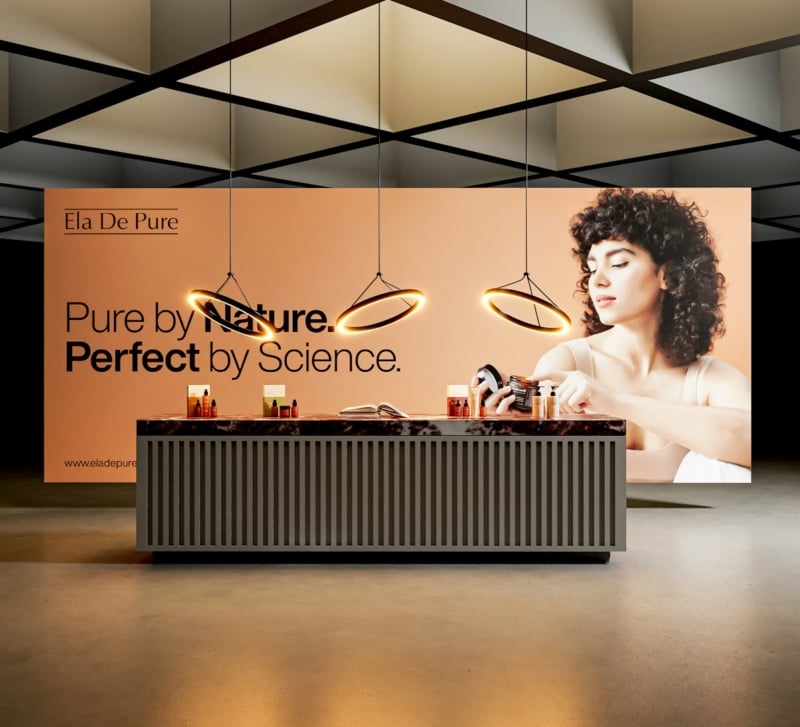
Luxury branding is no longer defined by visual excess, decorative motifs, or instantly recognisable symbols. The most confident brands today are moving away from overt signalling and towards systems that communicate authority through restraint, structure, and clarity.
This shift reflects a deeper change in how luxury brands are built and experienced. In a digital-first, globally visible environment, identity can no longer function as a static set of assets. It must operate as a living system that governs how a brand behaves across every touchpoint – physical, digital, and editorial.
For modern luxury brands, coherence now matters more than spectacle.
From Iconography to Infrastructure
Historically, luxury identity relied heavily on iconography. Crests, monograms, ornamental typography, and heritage references played a central role in establishing legitimacy and status. These visual signals were effective in a world with fewer channels, slower cycles, and clearer hierarchies.
That environment has changed. Luxury brands today must perform simultaneously across websites, social platforms, packaging, retail environments, campaigns, and moving image. This complexity has exposed the limitations of identity systems that rely primarily on surface-level decoration.
As a result, many brands are investing in a more strategic approach to luxury brand identity, treating it as infrastructure rather than ornament. These systems define how typography, spacing, colour, tone, imagery, and motion behave together, allowing the brand to remain consistent even as formats, platforms, and audiences evolve.
The focus shifts away from how the brand looks in isolation, and towards how it behaves over time.
Behaviour as the New Signature
One of the defining characteristics of modern luxury branding is behavioural consistency. Instead of relying on repeated logo use or recognisable visual tropes, brands build recognition through rhythm, proportion, pacing, and editorial discipline.
This approach reflects how established luxury houses have always operated at their best. Their authority was never derived from shouting the loudest, but from knowing when to be quiet, when to simplify, and when to let craftsmanship take precedence.
In contemporary branding, behaviour becomes the primary carrier of meaning. A calm layout, generous spacing, or restrained use of motion can communicate far more confidence than visual complexity ever could. These cues are subtle, but they accumulate over time, building trust and familiarity through repetition.
Restraint as a Strategic Advantage
Restraint has become one of the most powerful differentiators in the luxury sector. In an environment saturated with content, animation, and messaging, brands that feel composed and edited often stand apart.
Restraint signals maturity. It suggests a brand that understands its value and does not need to over-explain itself. This is particularly important for premium and founder-led brands that want to build credibility gradually rather than rely on short-term attention.
A strong identity system supports this restraint by providing clear boundaries. It removes ambiguity from creative decision-making and protects the brand from reactive choices driven by trends, platforms, or internal pressure. Instead of asking what is possible, teams are guided by what is appropriate.
Importantly, restraint is not synonymous with minimalism. It is not about reducing everything to the bare minimum, but about making deliberate choices that serve clarity and confidence.
Designing for Digital Reality
Luxury brands now exist primarily in digital spaces. Even for heritage houses, the first point of contact is often a website, social feed, or piece of digital content rather than a physical store.
This reality has profound implications for identity design. Typography must remain expressive and legible across devices. Layouts must scale without losing hierarchy. Motion must feel intentional rather than decorative. Interaction, pacing, and transition all contribute to how a brand is perceived.
Brands that rely on isolated assets often struggle as they grow, particularly when multiple teams, markets, or partners are involved. System-led identities provide a shared language that ensures consistency without rigidity. They allow brands to adapt while maintaining a recognisable presence.
This flexibility is essential for luxury brands that want to expand internationally or diversify their touchpoints without diluting their core.
Identity as a Strategic Asset
The most effective luxury brands treat identity as a strategic asset rather than a visual exercise. It underpins strategy, content, and experience, enabling everything else to function with greater clarity.
When an identity system is well designed, it becomes almost invisible. It does not compete with product, storytelling, or craftsmanship. Instead, it creates the conditions for them to shine, reinforcing trust quietly and consistently in the background.
This subtlety is often what distinguishes truly premium brands from those that rely on surface-level cues to signal luxury.
Reflecting the Future of Luxury
The move towards system-led brand identity reflects how luxury itself is evolving. Audiences are more visually literate, more sceptical of hype, and more sensitive to inconsistency than ever before.
Brands that invest in disciplined identity systems are better positioned to meet these expectations. They communicate confidence through behaviour rather than noise, and authority through coherence rather than repetition.
This is the future of luxury branding: fewer symbols, stronger systems, and identities designed to endure.