
Why Startups Should Prioritize Professional Design from Day One
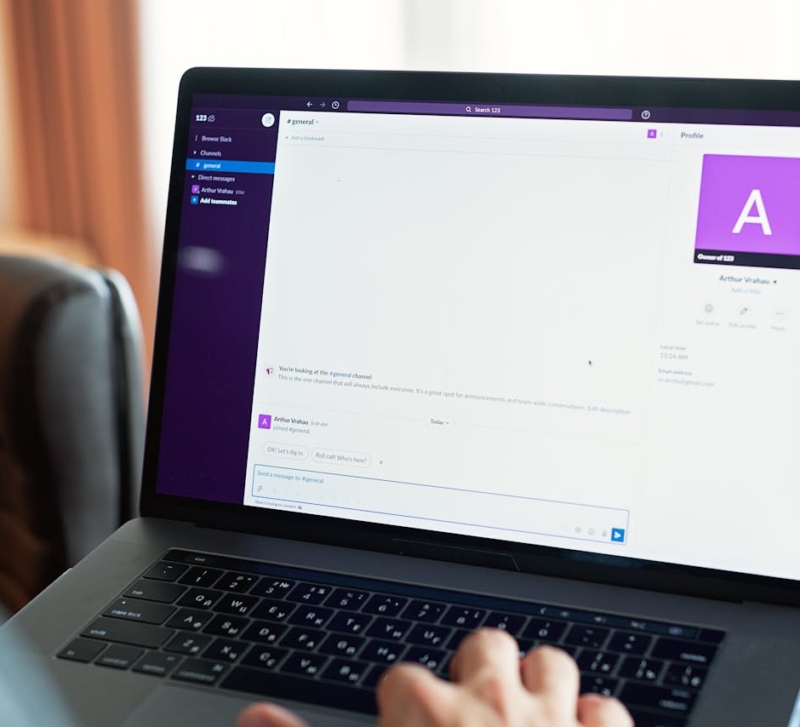
Launching a startup can feel like a whirlwind of excitement and challenges. From product development to securing funding, it’s tempting for early-stage businesses to take a “DIY-first” approach in order to cut costs. However, when it comes to design, skimping on professionalism in the early days can lead to costly mistakes down the road.
Professional design is not just a luxury—it’s a necessity for building a strong foundation that reflects your brand’s identity, appeals to investors, and connects with your audience. This article will explore why startups should make professional design a priority from day one and offer actionable tips on how to incorporate it seamlessly into your strategy.
The Cost of DIY Design
DIY design may seem like an economical choice at first glance. After all, there are countless online tools and templates available to create logos, websites, and marketing materials. However, many startups quickly realize that these initial efforts often fall short of their long-term needs.
Here’s why relying on DIY or amateur design can hold your startup back:
- Lack of Uniqueness: Standing out in the crowded startup landscape requires a distinct and memorable identity. Generic templates rarely achieve this.
- Poor Scalability: Logos or design assets created on basic tools may not translate well across different platforms or materials, leading to inconsistencies.
- Rebranding Costs: Fixing or replacing amateur design often requires time and money. This can disrupt your branding efforts just as your business gains traction.
Investing in professional design from the outset allows startups to create a cohesive visual identity that grows alongside their business and reduces the likelihood of expensive rebranding later.
Design as a Strategic Tool for Startups
Design is more than just aesthetics—it’s a strategic tool that drives communication, credibility, and connection. Here are three major benefits of prioritizing professional design early in your startup’s journey:
1. First Impressions Matter
The first interaction your target audience has with your brand—whether it’s your website, logo, or ad—shapes their perception of your business. A well-designed logo or website signals credibility and professionalism, which is particularly vital for startups looking to attract investors, customers, or collaborators.
2. Helps Build Brand Recognition
Consistency in design across various platforms creates a cohesive brand image. From social media graphics to pitch decks, a unified design ensures that your business is both recognizable and memorable.
3. Simplifies Communication
Design can guide viewers to the right message. Whether you’re sharing your mission statement or launching a new product, effective design helps distill complex ideas into visually engaging content.
Actionable Tips to Incorporate Professional Design
Making the leap toward professional design doesn’t have to be daunting—or break your budget. Here’s how startups can get started with strategic design decisions:
1. Define Your Brand Identity
Before hiring a designer or agency, get clear on your startup’s personality, mission, and values. Consider:
- Your business’s purpose and target audience
- The emotions you want your brand to evoke
- The tone of voice and visual style that align with these goals
This will serve as the foundation for your design assets and guide creative experts in delivering results that resonate.
2. Choose the Right Collaborators
Professional design doesn’t mean you have to build an in-house team immediately. Collaborating with a skilled graphic design agency can be a game-changer for startups.
A trusted graphic design agency in Singapore can help startups craft impactful logos, websites, and marketing materials tailored to their growth. Their work ensures that startups create a polished first impression that attracts both investors and customers alike.
3. Set a Realistic Design Budget
Allocating a reasonable portion of your resources to design demonstrates a commitment to quality. Many agencies offer scalable packages, so you don’t need to overspend. Start with essentials, like logos and website design, and expand as your business grows.
4. Align Design with Long-Term Goals
Your design assets should not only reflect your current business needs but also support your long-term vision. For instance:
- Design logos that scale well across various mediums.
- Build a website that can adapt to updates or new features without losing its look and feel.
By planning for the future, your design investment can pay dividends as your startup evolves.
5. Collaborate and Provide Clear Feedback
Work closely with your designer or agency to ensure they understand your vision. Using a collaborative approach, provide constructive feedback and examples of what you like or dislike to streamline the design process.
6. Research Competitors for Inspiration
Studying other startups in your industry can offer clarity on what works—and what doesn’t. This insight ensures your designs are not only competitive but also capable of standing out in your market.
Examples of Professional Design in Action
Many successful startups credit their growth to prioritizing design early on. Brands like Airbnb and Slack didn’t achieve recognition solely due to their services. Their outstanding design played a critical role in presenting their value clearly and memorably to their audiences.
Inspired by these success stories, startups can take a pragmatic approach to elevate their brand’s design for similar long-term gains.
Elevate Your Startup with Professional Design
By prioritizing professional design from day one, your startup can avoid common pitfalls, save costs on unnecessary rebranding, and position itself for scalable success. More than just aesthetics, great design is a strategic pillar that communicates your values, attracts the audiences who matter, and earns trust where it counts.
If you’re ready to lay a strong design foundation, Conquest Creatives can help. With expertise in graphic design, branding, and creative strategy, our Singapore-based team ensures your startup is built to stand out and succeed.