
Why Text-to-Speech and AI Voice Generators Are Essential for Modern Creators
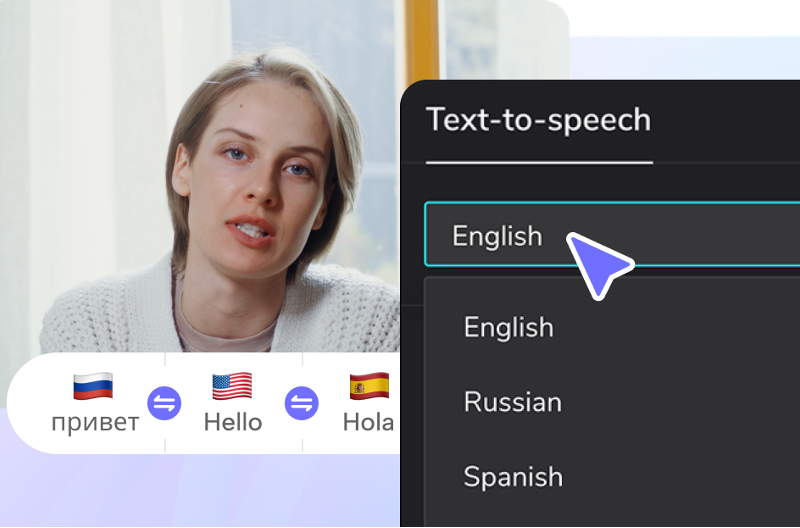
In the modern digital ecosystem, creators are expected to produce content faster, more consistently, and across multiple platforms. Audio has become a core element of this process, whether for videos, podcasts, online courses, reels, or advertisements. This is why tools like text to speech have become essential for modern creators, allowing them to convert written content into natural-sounding voiceovers without recording equipment, studios, or professional voice actors.
As competition grows, creators must focus on efficiency without sacrificing quality. AI-powered audio solutions remove traditional barriers, making professional-grade voice content accessible to individuals, startups, educators, and marketers alike.
The Growing Role of Audio in Digital Content
Audio-driven content is no longer optional. Users increasingly prefer listening over reading, especially when multitasking. Voiceovers help deliver information clearly, add emotional depth, and keep audiences engaged longer.
Platforms like YouTube, TikTok, Instagram, and e-learning portals rely heavily on audio to convey messages effectively. Creators who fail to optimize audio quality often struggle with low retention and engagement. AI-based audio tools solve this problem by enabling creators to generate clean, consistent, and professional voiceovers instantly.
How Text-to-Speech Empowers Content Creators
Text-to-speech technology allows creators to turn scripts, blog posts, subtitles, and captions into spoken audio within minutes. This is especially beneficial for creators who may not feel confident using their own voice or who want consistent narration across all content.
Another major advantage is accessibility. Text-to-speech helps make content inclusive for users with visual impairments or reading difficulties. It also enables multilingual content creation, helping creators expand their reach to global audiences without recording multiple voice versions manually.
From an SEO standpoint, audio-enhanced content improves user experience metrics such as dwell time and engagement, which indirectly support better search performance.
AI Voice Generators: A Step Beyond Basic Audio
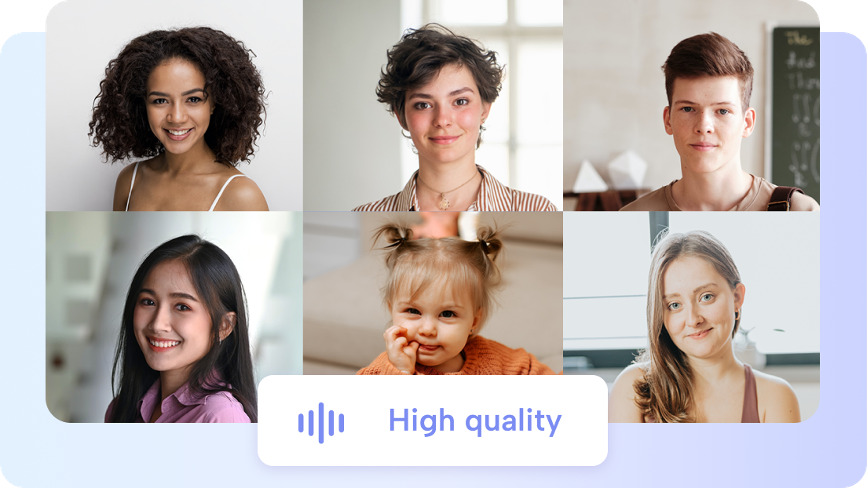
While text-to-speech converts written words into audio, AI voice generators elevate the experience by offering realistic, expressive, and customizable voices. These tools replicate human speech patterns, tone variations, and natural pauses, making content sound more authentic.
For creators, this means greater control over how their message is delivered. Whether the goal is a calm educational tone, a friendly brand voice, or an energetic promotional style, AI voice solutions adapt easily.
AI voice generators also eliminate issues like background noise, microphone quality problems, or inconsistent recording environments. This ensures professional results every time, regardless of the creator’s setup.
Saving Time and Reducing Production Costs
Traditional voice recording requires time, equipment, editing, and often multiple retakes. AI-powered tools simplify this entire workflow. Creators can update scripts, regenerate audio, and make revisions instantly.
This efficiency significantly reduces production costs, making AI audio tools ideal for freelancers, small businesses, and startups. Instead of spending on studios or voice talent, creators can invest in content strategy, marketing, or growth.
Consistency and Brand Identity
Consistency is crucial for building a recognizable brand. Using AI-generated voices ensures uniform tone, pacing, and quality across all content formats. This consistency builds trust with audiences and strengthens brand identity over time.
Creators managing multiple platforms benefit greatly from this reliability, as they can maintain the same voice style across videos, ads, courses, and social media posts without manual effort.
The Future of Audio Content Creation
AI technology continues to evolve rapidly. Future advancements will likely include deeper emotional expression, real-time voice adjustments, and more personalized voice cloning options. Creators who adopt these tools early will have a competitive advantage as content demands increase.
In this evolving landscape, using an ai voice generator is no longer just a convenience—it is a strategic necessity for producing scalable, professional, and engaging audio content.
Conclusion
Text-to-speech and AI voice generators have reshaped how modern creators approach audio production. They remove technical barriers, reduce costs, improve efficiency, and enhance content accessibility. As digital platforms continue to prioritize high-quality, engaging media, creators who leverage AI-powered audio tools will be better positioned to grow, scale, and stay relevant in an increasingly competitive creator economy.
FAQs
Q1: Is text-to-speech suitable for professional content?
Yes. Modern text-to-speech tools produce natural and clear audio suitable for videos, courses, and marketing materials.
Q2: Can AI voice generators replace human voice actors?
AI tools are excellent for scalable and cost-effective projects, but human voice actors may still be preferred for highly emotional or cinematic productions.
Q3: Are AI-generated voices customizable?
Most AI tools allow customization of tone, speed, pitch, and style to match different content needs.
Q4: Does AI-generated audio improve accessibility?
Yes. It makes content more accessible for users with visual impairments, reading difficulties, or language barriers.
Q5: Are these tools beginner-friendly?
Absolutely. Most platforms are designed with simple interfaces, making them easy to use even for beginners.