
Why Typography and AI Are Becoming Closely Connected
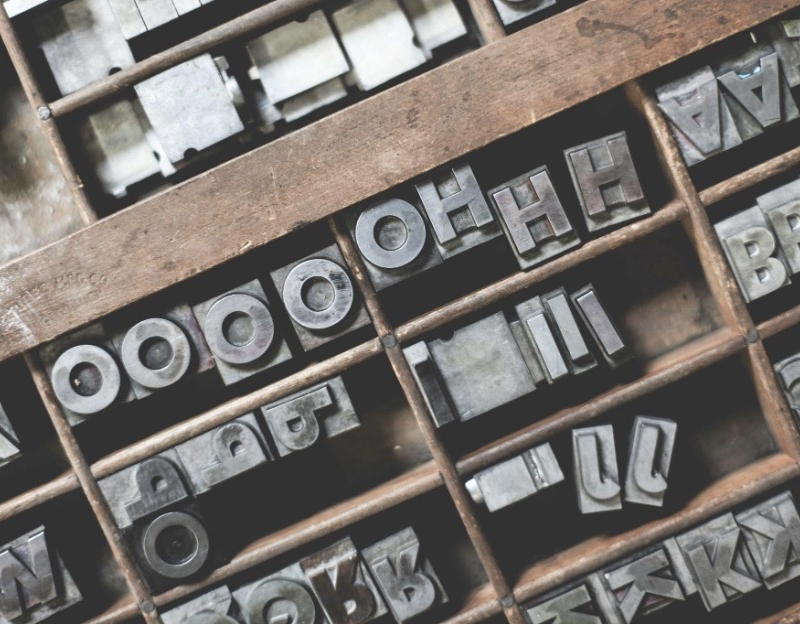
People used to think that typography was a quiet design skill. It was about selecting fonts, adjusting the spacing between letters, and making words look clear and legible on a page or screen. People often thought of artificial intelligence as being connected to robots, automation, and data. At first, these two worlds may seem very different. But today, they are getting closer at a surprising rate.
What is going on? The answer is simple: both AI and typography affect how people get information. AI helps systems understand, make, and personalize content, while typography gives words their visual voice. When they work together, communication gets smarter, faster, and more focused on people.
In many ways, typography is more than just style now. It’s becoming part of a bigger smart system. AI isn’t just about doing math anymore. It is learning to appreciate how design choices affect users’ feelings, how easy it is to read, and how well it works for users. Let’s look into why these two areas are becoming so closely linked.
Typography Is About More Than Just Looks
A lot of people think that typography is just about making text look nice. Yes, how something looks is important, but typography does a lot more than that. It helps the reader see what they need to see, sets the mood, and makes things clearer. A strong headline can make you feel sure of yourself. A soft serif font can make you feel like you can trust it and that it’s classic. A clean sans-serif font can look modern and simple.
This is how typography is like the tone of voice in a conversation. The design can change how the message feels, even if the words stay the same. That’s strong.
Researchers are now developing AI systems that can understand these phenomena. Not only are they processing text as language, but they are also starting to look at how text is presented. This is important because readers don’t think of content and design as separate things. They feel both at the same time.
Companies want the text on their apps, websites, ebooks, and digital ads to be easy to read and have an emotional impact. AI can help by looking at how people use your site and suggesting better font choices. It can tell when a layout is too crowded, when the font sizes are too small, or when the line spacing makes it hard to read. All of a sudden, typography is based on data without losing its artistic value.
AI Is Changing the Way Designers Work
In the past, designers would spend hours experimenting with different font combinations, adjusting headline sizes, and designing layouts for different devices. Of course, that work is still important, but AI is beginning to function as a creative assistant.
AI tools can now come up with layout ideas, suggest font pairings, and even change the style of text automatically for screens of all sizes, including mobile, tablet, and desktop. This saves time and allows designers to consider the big picture. They can think of ideas faster and make better choices instead of doing every little thing by hand.
Design changes now happen alongside text review, not after it. Teams often compare wording, rhythm, and layout simultaneously. This is important because type does not function in isolation on a page. It conveys the message and shapes how natural it feels. When AI helps draft copy, editors may want a second pass before the final design goes live. In that part of the workflow, a ChatGPT text humanizer can help teams assess whether the phrasing aligns with the visual layout’s tone. This matters when elegant typography meets text that feels stiff or too flat. A smoother sentence can support spacing, pacing, and reading flow. It can also make the visual system feel more coherent. That connection is one reason typography and AI are converging. The goal is not only faster production. The goal is communication that is clear, balanced, and human across all screens.
Personalization Is Making Typography Smarter
Personalization is one of the main reasons why typography and AI are increasingly linked. In the digital world, what works for one person doesn’t always work for everyone. People have different needs, preferences, and ways of reading.
Some people prefer larger text. Some people like high contrast better. When the layout is calm and open, some readers stay longer. AI can look at these behaviors and change the font in real time. That means that text can respond better to each reader.
This idea is exciting because it makes typography come to life. It is no longer set in stone like ink on paper. It can change, as a conversation does, when different people are listening.
Better Accessibility Through Intelligent Design
Another major reason for this growing connection is that it is easy to access. Good typography is important for everyone, but it’s especially important for people who have trouble seeing, reading, or thinking.
AI can help make text easier to read by identifying when text is hard to read and suggesting ways to improve it. It can make text easier to read by increasing contrast, simplifying layouts, adjusting letter spacing, or recommending simpler typefaces. It can also tailor content to individuals with dyslexia or low vision.
That means that typography is not only a design issue, but also a social one. It becomes a part of communication that includes everyone. AI provides designers with more tools to do that.
Generative AI Is Creating New Possibilities
Generative AI has changed the way we think about typography. Designers can now try out AI-generated letterforms, custom fonts, and dynamic text effects instead of just picking from styles that are already out there. It’s like going from painting with just a few colors to painting with a whole sky full of colors.
This doesn’t mean that every AI-generated font is perfect. Not at all. You still need skill, balance, and taste to do typography. But generative tools make it easier to try new things. Designers can try out bold ideas more quickly and find visual directions they might not have thought of on their own.
AI can also examine large collections of typographic history, from classical calligraphy to modern digital fonts. This enables it to remember many things visually. If used carefully, this can lead to new ways to combine old and new styles.
The result is a creative space where old and new ideas converge. The roots of typography stay the same, but the branches are growing in new ways.
The Future Will Blend Human Taste and Machine Intelligence
As AI improves, typography will likely become even more connected to technology. We might see interfaces that automatically change the type depending on the context, mood, or location. A reading app might show text differently in the morning than at night. To help people focus, a learning platform could change the way text looks. A brand could provide different groups of people with distinct typographic experiences while maintaining a consistent identity.
However, one thing remains true: what people like matters. AI can find patterns, but it can’t fully replace intuition, culture, or emotional intelligence. There is both science and art in typography. AI strengthens the scientific side, but the artistic side still requires people.
That’s why the link between AI and typography is so interesting. There is no fight. It’s a team effort. One brings logic and speed. The other adds emotion and expression. They all work together to change how we read, understand, and connect with information online.
Ultimately, typography and AI are becoming increasingly interconnected as the way we communicate changes. We live in a time when content needs to be quick, adaptable, personal, and easy to find. AI makes the content smart, and typography gives it shape. They are starting to move together, like two dancers learning the same beat. As they do this, the future of design appears not only smarter but also more human-like.