
Work From Home vs Office Setups: Choosing the Right Office Furniture for Businesses and Remote Teams
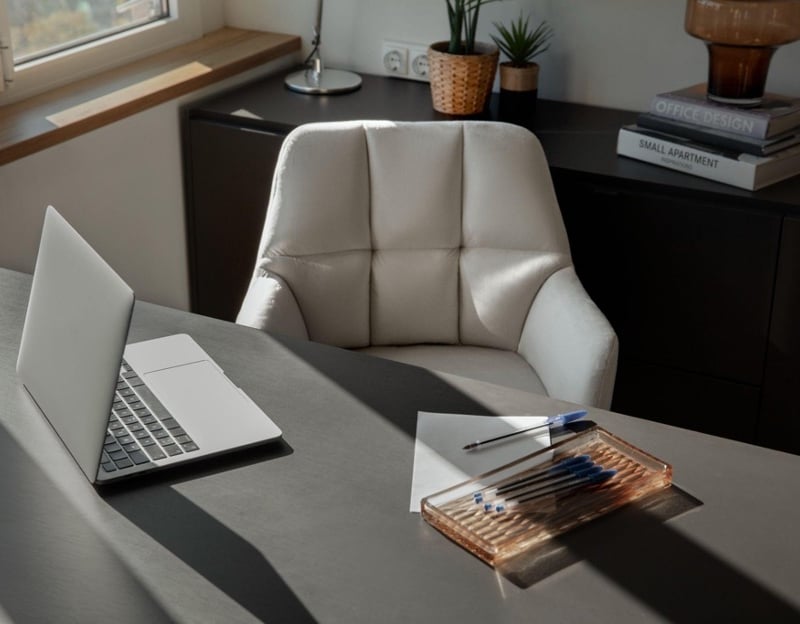
The Australian workplace has undergone a seismic shift. What began as a forced experiment during the pandemic has evolved into a permanent recalibration of how, where, and why we work. Today’s professionals are splitting their time between kitchen tables, corporate towers, and co-working spaces – often in the same week.
But here’s the catch: the furniture that works brilliantly in a CBD office tower might be completely unsuitable for a home office in Bondi, and vice versa. As businesses navigate this new landscape, understanding the distinct furniture needs of each environment has become crucial – not just for productivity, but for employee wellbeing and long-term success.
Let’s break down what actually matters when kitting out these different workspaces.
Work From Home Setups: Comfort Meets Flexibility
The Space Challenge
Most Aussie homes weren’t designed with dedicated office space in mind. Whether you’re working from a spare bedroom, a carved-out corner of the lounge, or that awkward nook under the stairs, space is at a premium. Your furniture needs to work hard without taking over your living space.
This is where compact, multi-functional pieces shine. A desk that folds away, storage that doubles as décor, or a chair that doesn’t scream “corporate” when your mates come over for a barbie—these are the considerations that matter at home.
Ergonomics for the Long Haul
Here’s an uncomfortable truth: that dining chair you’ve been using for Zoom calls is doing a number on your back. When you’re working from home five days a week, ergonomics shifts from “nice to have” to “absolutely essential.” The investment in office chairs pays dividends when you’re clocking eight-hour days without the option to wander over to a colleague’s desk for a chat.
Look for chairs with adjustable lumbar support, seat depth, and armrests. Your spine will thank you, and your GP visits might decrease.
Style Matters More Than You Think
Unlike the office, your home workspace is part of your living environment. You’re not just working there—you’re living there. This means your furniture needs to complement your aesthetic, whether that’s industrial minimalism, coastal vibes, or mid-century modern.
The good news? Today’s home office furniture has evolved well beyond the beige boxes of yesteryear. You can find pieces that are both functional and genuinely attractive, blending seamlessly with your home décor whilst delivering professional-grade performance.
Traditional Office Setups: Efficiency, Consistency & Scale
The Uniformity Advantage
Walk into any established corporate office, and you’ll notice something immediately: consistency. There’s a reason for this. When you’re furnishing an office for 20, 50, or 200 employees, uniformity creates visual cohesion, simplifies procurement, and ensures everyone has access to the same quality of workspace.
This is where sourcing quality office furniture online for businesses makes sense. Purpose-built commercial furniture is designed for durability, standardisation, and the kind of daily wear and tear that comes with multiple users over many years.
Built for the Daily Grind
Office furniture faces challenges that home setups simply don’t encounter. Multiple users, constant adjustment, spilled coffee, the occasional frustrated keyboard slam—commercial furniture needs to withstand it all whilst maintaining its functionality and appearance.
This means heavier-duty mechanisms, stain-resistant fabrics, and construction that can handle being adjusted dozens of times a day. It’s not glamorous, but it’s the difference between furniture that lasts a decade and furniture that needs replacing every couple of years.
Compliance and Safety Standards
Here’s something most people don’t think about: commercial office furniture must meet strict Australian safety and ergonomic standards. This includes weight ratings, fire resistance, and adherence to workplace health and safety regulations. When you’re responsible for employee wellbeing, these certifications matter—a lot.
5 Key Differences: Choosing the Right Desk for Each Setup
1. Size and Footprint
Home offices need compact desks that maximise limited space. Think 120cm wide or less, with clever storage solutions built in. Office environments can accommodate larger desks (150cm+) with expansive work surfaces for multiple monitors and collaborative work.
2. Cable Management
At home, visible cables are an eyesore in your living space. Look for desks with integrated cable trays and grommets that hide the tech chaos. In offices, cable management is about safety and maintenance—preventing trip hazards and making IT upgrades easier across dozens of workstations.
3. Storage Integration
Home office desks often incorporate hidden storage, drawers, and shelving because you’re unlikely to have a separate filing room. Commercial desks, increasingly available from professional office desks online retailers, typically pair with modular storage systems, allowing businesses to customise storage based on departmental needs.
4. Durability and Materials
Home desks can prioritise aesthetics and lighter materials since they’re used by one person. Commercial desks require heavy-duty laminates, reinforced frames, and surfaces that can handle years of intensive use without showing wear.
5. Adjustability and Shared Use
Home setups can be tailored to one person’s height and preferences. Office desks, especially in hot-desking environments, need easy height adjustment and quick reconfiguration. Sit-stand options are increasingly popular in both settings, but offices need commercial-grade mechanisms that won’t fail after six months of multiple daily adjustments.
Ergonomics: A Non-Negotiable for Remote and Office Teams
Let’s talk about the real cost of poor ergonomics: according to Safe Work Australia, musculoskeletal disorders cost businesses billions annually in lost productivity and workers’ compensation claims. Whether your team works from home or the office, investing in proper ergonomic furniture isn’t just kind—it’s smart business.
Proper ergonomics means:
Chairs that support the natural curve of your spine. Look for adjustable lumbar support and seat tilt mechanisms. Your pelvis should sit slightly forward, not slumped backward.
Desks at the right height. Your elbows should form a 90-degree angle when typing, with wrists straight and relaxed. This is where sit-stand desks earn their keep, allowing movement throughout the day.
Monitor positioning that saves your neck. The top of your screen should be at or slightly below eye level, about an arm’s length away. Neck strain is one of the most common complaints in both home and office environments.
The return on investment is tangible. Employees with proper ergonomic setups report fewer headaches, less back pain, and higher energy levels throughout the day. They take fewer sick days and maintain focus for longer periods. For businesses, this translates directly to productivity gains and reduced turnover.
Hybrid Workspaces: Blending the Best of Both Worlds
The future isn’t fully remote or fully office-based—it’s hybrid. And this presents unique furniture challenges that require creative solutions.
Flexibility is King
Hybrid teams need furniture that adapts quickly. Think modular desking systems that reconfigure based on daily headcount, mobile storage units that move with employees, and touchdown spaces for those popping in for half-day stints.
The key is creating environments that feel equally professional, whether you’re there two days a week or five. This means investing in quality pieces that make every visit feel worthwhile, rather than treating the office as an afterthought.
The Home-to-Office Transition
Smart businesses are now considering how to maintain ergonomic consistency across locations. If your team uses premium ergonomic chairs in the office, consider subsidising similar modern office chairs online for home setups. The consistency helps prevent the “Monday back pain” that comes from switching between vastly different ergonomic environments.
Modular Solutions for Rotating Teams
Hot-desking has matured beyond the chaotic free-for-all it once was. Modern modular furniture systems allow quick personalisation—adjustable monitor arms, mobile pedestals, and easily reconfigurable layouts mean employees can quickly set up their ideal workspace, regardless of which desk they claim that day.
This adaptability is crucial for businesses trying to reduce their office footprint whilst maintaining a quality in-office experience. Why pay for 100 permanent desks when 60 highly adaptable workstations can serve a hybrid team more effectively?
7 Questions to Ask Before Buying Office Furniture
Before you click “purchase” on that new office setup, run through these essential questions:
1. How Often Will This Be Used?
Daily use demands commercial-grade durability. Occasional use allows for lighter, more budget-friendly options.
2. Who’s Using It?
Single-user furniture can be personalised. Multi-user environments need adjustability and durability.
3. What’s the Space Constraint?
Measure twice, buy once. Consider not just floor space but also door widths, lift access, and assembly requirements.
4. What’s the Expected Lifespan?
Calculate cost-per-year rather than upfront cost. A $800 chair that lasts 10 years is cheaper than a $300 chair replaced every two years.
5. Does It Meet Safety Standards?
For commercial use, ensure Australian standards compliance (AS/NZS 4438 for seating, AS/NZS 4442 for desks).
6. Can It Grow With Your Needs?
Modular systems that expand are smarter investments than fixed configurations.
7. What’s the Return Policy?
Even with careful planning, sometimes furniture doesn’t work in practice. Understand your options before committing.
Final Thoughts: Investing in the Right Workspace
The line between home and office has blurred, perhaps permanently. But this doesn’t mean all furniture should be treated equally. Understanding the distinct demands of each environment and the unique challenges of hybrid work is the first step toward creating workspaces that actually work.
Whether you’re kitting out a corporate floor or upgrading your spare bedroom, the principle remains the same: furniture is a long-term investment in productivity, wellbeing, and professional success. Cheap furniture becomes expensive when it fails, causes injury, or needs constant replacement.
The Australian workforce has proven it can be productive anywhere. Now it’s time to ensure the furniture supports that productivity, regardless of where “the office” happens to be that day.
Choose thoughtfully. Your back, your budget, and your team will thank you.