
You Can’t Scale Teams If Every Desk Change Triggers an Install Call
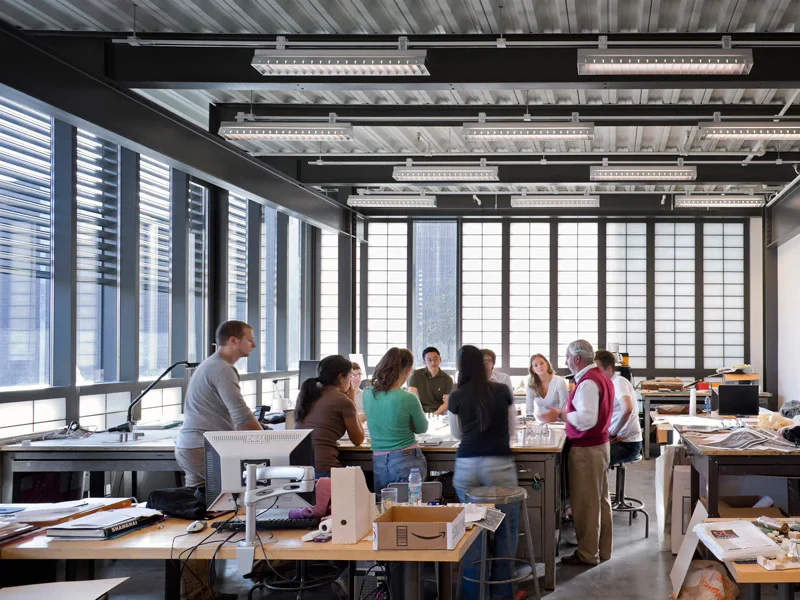
Teams move fast. Projects shift, departments expand, and headcount climbs—sometimes in weeks, not months. But while people can adjust quickly, infrastructure rarely keeps pace. When power is locked into walls or floors, even a simple desk move can trigger a chain of delays: cords stretched across walkways, outlet shortages, and IT tickets piling up.
What should be a quick reshuffle turns into downtime. Waiting on electricians to reroute wiring slows progress and forces teams to work around the layout instead of with it. If the workspace can’t adapt to change, productivity stalls—and momentum slips with it. Power shouldn’t be the bottleneck.
Desk Layouts That Shift More Than the Wiring Can Handle
Team changes are common—and disruptions happen quickly without a flexible power setup. If outlets remain fixed in place, even minor desk moves become logistical puzzles. Individuals may scramble to find an available outlet, slowing down daily operations. A static layout rarely supports the speed required for shifting team dynamics.
Using a ceiling-mounted power busway changes the game. Power drops can shift with the desks, so there’s no need to rewire each time. Systems with sliding trolleys or repositionable plug-in units support frequent reconfiguration without added labor or downtime, helping teams stay on track and adjust their space with fewer headaches.
New Hires Bring Gear That Breaks the Original Power Plan
Every new hire adds to the electrical load—laptops, monitors, docking stations, and chargers push demands higher than most layouts were designed to support. Overloaded circuits trip more often, extension cords pile up, and safety risks increase. One desk can draw over 300 watts during normal use, and scaling that across a department quickly strains old wiring.
A stronger approach starts with universal hubs placed where people actually work—near clusters, shared desks, and common zones. Direct access to clean, grounded power reduces the need for risky workarounds and keeps essential devices running without delay or disruption.
Small Power Changes, Big Workflow Disruptions
Even a small power change can grind work to a halt. Waiting for an electrician means lost time, and shutting off power cuts access across multiple desks—not just the one being updated. Ongoing tasks get paused, meetings rescheduled, and project timelines slip. In some offices, a single repair can take days, building frustration and slowing progress across teams.
Modular power systems keep things moving. When changes are quick and simple, teams stay focused. Systems that include plug-and-play connectors or movable floor boxes help everyone stay plugged in and working smoothly, no matter what changes happen around them. In some configurations, relocation can be done in under an hour without tools, reducing downtime during team reshuffles or layout updates.
Shared Spaces Get Underutilized When Power Zones Are Locked In
Teamwork thrives in places where people can meet, chat, and brainstorm on the fly. But if the power setup doesn’t support that, shared areas go quiet. People crowd near the few available outlets, and spots meant for collaboration sit unused. A lack of power access near movable seating or multi-use tables often limits how groups use the space, making spontaneous interaction less likely.
Bringing mobile power or adjustable wiring into shared areas invites people back in. Adding access points at standing-height tables or along whiteboard walls increases usability. When power’s where it’s needed, folks gather, talk, and build ideas together. It’s a simple change that makes a big difference.
Reactive Workarounds Introduce Long-Term Safety and Workflow Issues
When there aren’t enough outlets, people get creative—but not always in safe ways. Extension cords and surge strips may help short-term, but over time the result can be tripping hazards or burned-out equipment. Power strips daisy-chained together or run under carpets can create serious risks. In some cases, such setups may also violate electrical codes and lead to penalties or failed inspections.
Smart planning reduces common hazards. Designing a workspace with plenty of permanent, well-placed outlets—ideally within six feet of each workstation—supports daily needs and keeps the environment safe. Including outlets with built-in surge protection or tamper-resistant receptacles adds another layer of safety. A solid power setup makes work easier and helps teams stay focused.
A rigid power layout slows progress, turning every desk move into a disruption. Teams need space to shift, grow, and collaborate without waiting for electricians or dragging extension cords across the floor. Movable systems—like ceiling drops, floor boxes, and modular plug-ins—make it possible to rearrange quickly and safely. Power should move with the work—not the other way around. Adding access points in shared zones and near active teams reduces downtime and clutter. A few targeted upgrades unlock a smoother, more agile workspace. If the office feels stuck, the power setup might be holding it back more than expected.