
What Is Premises Liability for Creative Studios
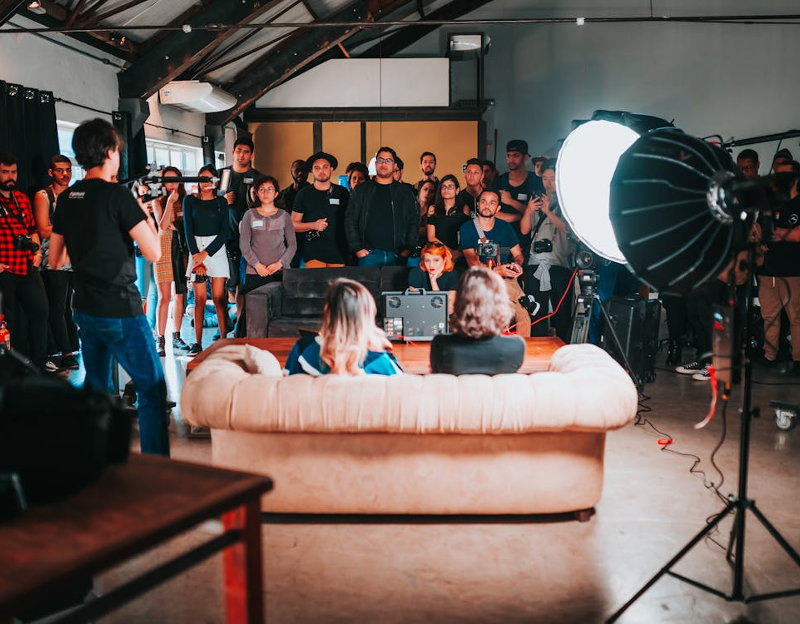
You may have walked through your creative studio more often, whether it’s a photography loft, design studio, or shared coworking space, ready to build, brainstorm, or shoot, you’re confident that it’s a safe haven for artistry.
Suddenly, someone slips on an unmarked cable, falls on a slick floor near gear cases, or trips over a lighting stand, surprising everyone. With all the complexities you might go through if you’re unprepared, here’s a sound guide you may want to harness so you can manage any hurdles should premises liability be raised against your studio.
Premises Liability Explained Simply and Clearly
It’s well-established that premises liability is a legal duty that owners, managers, or operators of a space owe to people (whether clients or visitors) who enter or use it. It means you need to keep your studio reasonably safe, barring any foreseeable hazards, and warn visitors if you can’t fix such risks right away. When someone gets hurt because you failed to do this, you can be held financially and legally responsible for the same.
In these instances, the law looks for four key elements:
1. Duty of care: meaning you’re expected to keep your space safe
2. Breach: meaning you failed to take reasonable steps to prevent hazards
3. Causation: meaning your failure directly led to someone’s injury
4. Damages: meaning someone suffered harm, if they can prove it legally, you’ll bear or pay the victim (medical costs, lost wages, even attorney’s fees)
Why Premises Liability Matters in Creative Studios
Today, creative spaces have become more visually dynamic, but that energy comes with risks that are often quite unpredictable. Some recent data continue to show that slips, trips, and falls are among the most common causes of injury across all property types.
In more relatable terms, this can mean:
● A spilled coffee near keyboards or acrylic paints on your floor can be quite a hazard if not cleaned up and marked promptly
● Loose cables from lighting, audio rigs, or power strips are common trip risks
● Unmarked steps or uneven flooring can surprise and injure your guests who aren’t familiar with the layout
For your production, that translates into two realities: your guests expect a safe environment, and the law expects you to maintain one without fail.
When Claims Happen: Locally Renowned Legal Experts Matter
Premises liability suits often involve slip and fall incidents where a property owner or manager is sued for failing to address dangerous conditions or warn people about them. The legal standards, filing timelines, and evidence requirements vary significantly by state and even by jurisdiction.
This is why, if someone is injured because of a studio hazard and files a claim, working with attorneys who understand your local courts makes a critical difference. Whether you need slip and fall attorneys in St. Louis familiar with Missouri’s comparative fault system, lawyers in New York who handle premises cases under different tort standards, or counsel in California navigating that state’s unique liability frameworks, location-specific knowledge protects your interests. These attorneys can explain how premises liability is determined in your state, how filing timelines work, how evidence is gathered, and how liability is established in your case.
Make Your Creative Studio Safer
You can carefully craft safety into your workplace’s culture, protecting people and reducing legal risks as much as possible.
Inspect Daily With Purpose
You can walk through your premises before opening and after heavy use every day. You’re looking for some hazards, like spills, loose cables, unstable stands, uneven tiles, or overcrowded gear areas, that need fixing.
Use Clear Marks and Signages
When you’re tied and can’t fix the hazard right away, visual communication can come to your rescue. You can utilize floor signs, wall notices, and tape markings that are quite visible, legible, and easy to understand at a glance. It’s where font choice matters more than many studio owners like you realize. If your text is hard to read, people will miss your warnings.
Write Guest and Crew Safety Policies
You need to make sure safety is well-crafted into your booking, onboarding, or check-in processes. In these instances, written policies set expectations clearly and show that safety is not an afterthought in your creative space.
Document Every Incident Carefully
If someone is hurt, record what happened as soon as possible, like the nature, date, time, location, witness names, photos of the condition, and the steps you took afterwards.
Train Your Team to Spot and Act on Risks Early
More often, training and short, regular safety briefings help everyone recognize and respond to risks right away, before someone falls victim to them.
Treat Safety as Part of Your Creative Identity
Today, with all the tech and advancements, premises liability isn’t just a legal term. It’s about respecting and caring for every person who enters your studio, whether they’re clients, collaborators, or your co-workers. When safety is part of your artistic identity, you proactively reduce hazards, protect people, your reputation, and your firm.
However, when accidents do happen, knowing your responsibilities and how your claims work, including options for legal assistance in places like St. Louis, puts you in control of the outcome.