
5 Security Tips For Newbie Bloggers
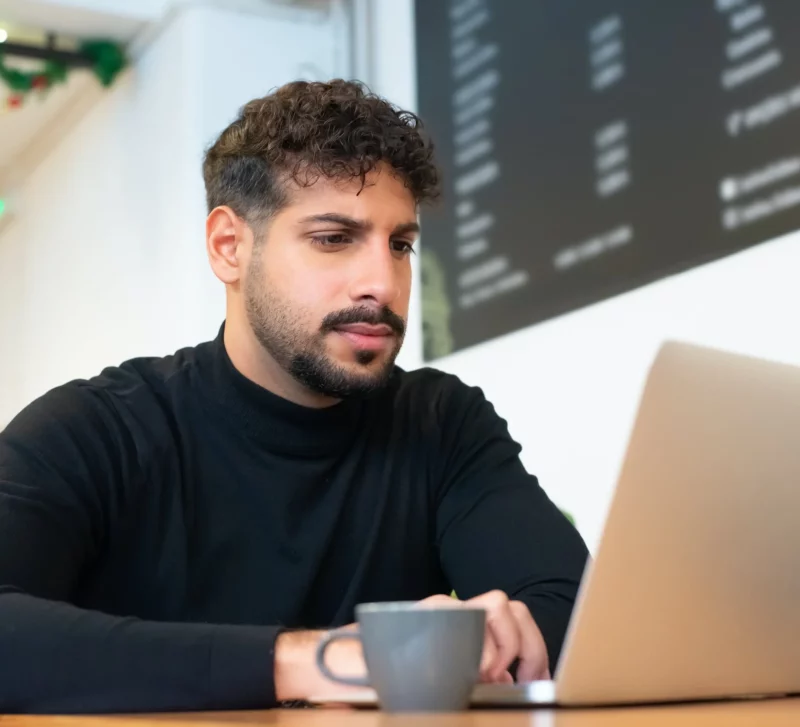
Have you recently started blogging? If so, one of the things you have to do is ensure your content is safe and stays on the internet for as long as you want without getting hacked or erased by malicious actors. Hackers can target you for amusement, no matter how small your blog may be. While bigger organizations use access management tools – click to learn more about what is access management – small bloggers don’t have this kind of budget.
Here are five security tips to help secure your blog:
Set strong passwords
Securing the login info to your site is the first step to boosting security. Many newbie bloggers use the default login credentials for their site, making it very easy to hack. Set a strong password containing random words, characters, and numbers.
Consider using a password manager to simplify the password setting and storing process. With a password manager, you can generate an impenetrable password automatically and store it safely where only you will have access to it.
Update your blogging platform to the latest version
Most blogs are hosted on a platform that makes it easy to post, edit, and share content. WordPress is the most popular platform, but there are many others.
No matter the platform, ensure it is always updated to the latest version. Older versions often have vulnerabilities that hackers can exploit and then damage your site.
Have backups
Backups are another essential security feature, especially for blogging. Blogs are typically filled with content, so you want to ensure you have backups of the content in case your site gets hacked.
Having backups is also beneficial with technical issues. If your blog suddenly starts acting abnormally, you can revert to an older version via a backup and see if that fixes the issue.
Don’t install too many plugins
Plugins are an excellent way to improve your blog and even boost its security. But, as with most things in life, moderation is key. Plugins are inherently vulnerable, as you rarely know who’s behind them and how much attention they’ve paid to cybersecurity.
Only install plugins from verified publishers who regularly release updates to address vulnerabilities. Consider installing a plugin that limits the number of login attempts to your site. This will significantly reduce the risk of a brute-force attack.
Be mindful of the content you share
As a blogger, you must understand that anything you share online becomes public information, regardless of how sensitive it is. If you like to share personal stories, it’s best to avoid using real names, locations, and dates. Play around with the details a little, so there’s always a sense of anonymity. Broadcasting your life openly online poses a significant risk for your online and physical security.
Final thoughts
Despite the rising popularity of video, blogging is still alive in 2022. Many new bloggers are joining the space, and one thing they must learn is to prioritize security. No matter how small your blog is, if it’s easy to hack, someone will do it. To avoid this, set strong passwords for your site, and follow the other tips mentioned in this article as well.